Beyond the Brush: A Deep Dive into the Rewarding World of Beautician Jobs
The role of a beautician, often broadly defined, encompasses a vibrant and diverse range of specialized careers that are fundamental to the multi-billion dollar beauty and wellness industry. Far from being a simple service job, a career as a beautician—which includes cosmetologists, estheticians, nail technicians, and specialized makeup artists—is a demanding blend of technical skill, artistry, and interpersonal connection. It is a profession built on enhancing confidence, promoting wellness, and offering personalized expertise. This article explores the depth of the beautician’s role, the diverse career paths available, and the essential skills needed to thrive in this dynamic and rewarding field.
Defining the Disciplines: More Than One Job Title
The term “beautician” is an umbrella covering several specialized, licensed roles, each requiring distinct training and focusing on different aspects of client care.
Cosmetologists (The Generalist)
Cosmetologists are the most comprehensive generalists. Their license typically covers hair cutting, styling, coloring, chemical treatments, basic nail care, and often, fundamental skincare. They are the backbone of full-service salons and barbershops.
Estheticians (The Skin Specialist)
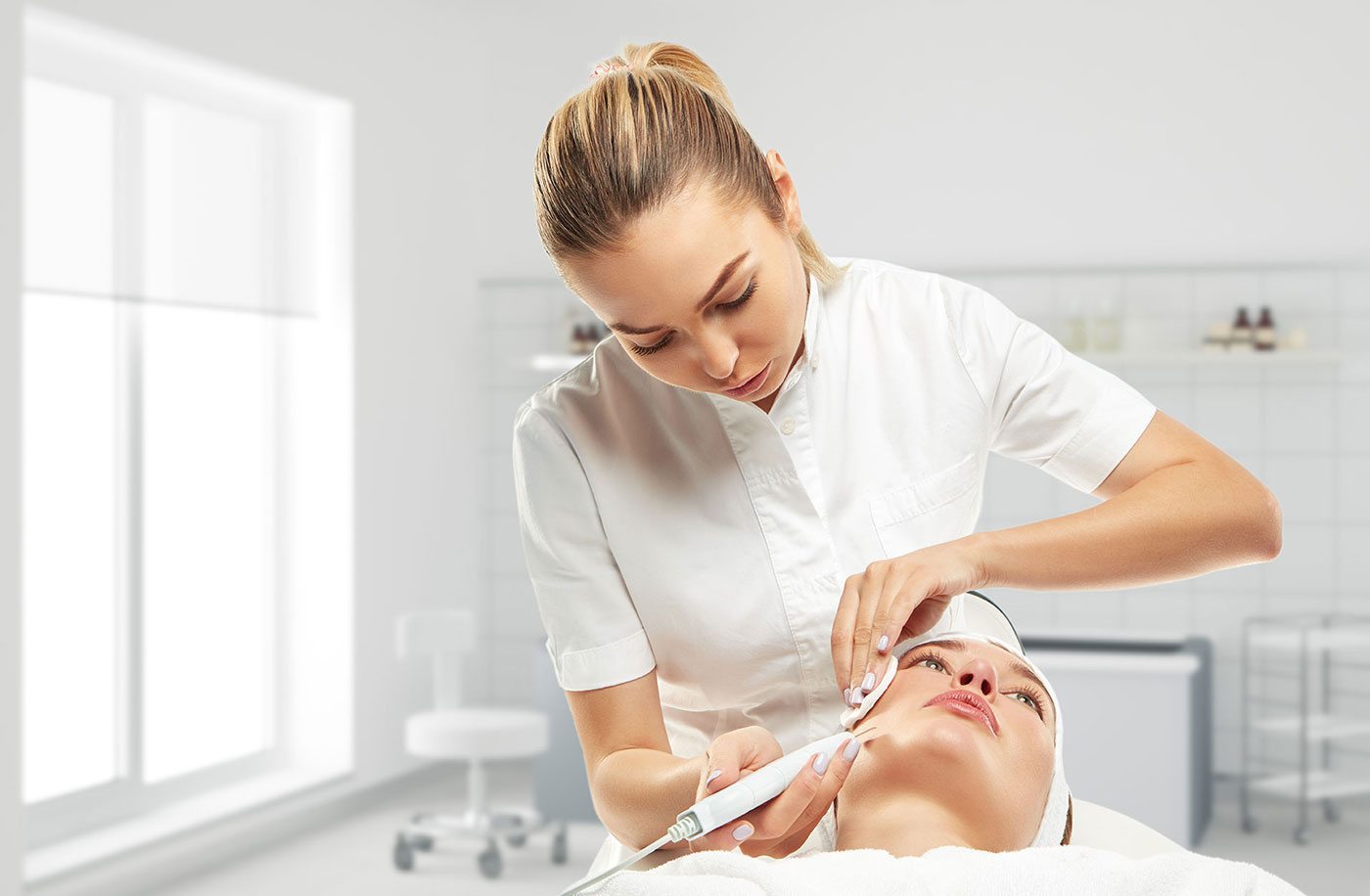
Estheticians are dedicated experts in skin health. Their focus is on non-medical skin treatments, including facials, microdermabrasion, chemical peels, body wraps, waxing, and specialized product knowledge. They work in med-spas, dermatology offices, and specialized skin clinics.
Nail Technicians (The Manicure and Pedicure Expert)
These specialists focus exclusively on the care and treatment of fingernails and toenails. Their services include manicures, pedicures, applying artificial enhancements (acrylic, gel, dip powder), and intricate nail art.
The Blend of Artistry and Science: Skills for Success
A thriving career as a beautician requires a unique dual skillset: mastery of technical procedures combined with keen interpersonal intelligence.
Technical Mastery and Continuous Education
The industry is constantly evolving with new technologies and chemical formulations. Success demands a commitment to lifelong learning:
- Scientific Knowledge: Understanding chemistry is crucial, especially for colorists and estheticians. Knowing how color molecules react or how different acids affect the skin’s pH ensures safe and effective client outcomes.
- Precision and Speed: Whether it’s executing a perfect French manicure or blending a seamless balayage, precision is paramount. Efficiency and speed are also key to maximizing client turnover without sacrificing quality.
- Hygiene and Safety: Strict adherence to sanitation and sterilization protocols is non-negotiable. Beauticians are trusted with direct physical contact, and maintaining a sterile environment is the cornerstone of professional ethics.
The Art of Client Connection
The technical skills are meaningless without the ability to connect with the client. The intangible skills often determine a beautician’s success and client retention rates.
- Consultation and Listening: The ability to actively listen to a client’s desired outcome, assess their hair or skin condition honestly, and manage expectations is vital. A great beautician is a great communicator.
- Empathy and Confidentiality: Beautician jobs often involve intimate, therapeutic, and sometimes vulnerable interactions. Clients confide in their stylists or estheticians. Maintaining a warm, empathetic demeanor while strictly upholding confidentiality builds the trust essential for repeat business.
- Personal Branding and Professionalism: Unlike many service jobs, a beautician’s personality and personal presentation are part of their professional brand. Networking, marketing skills (especially on social media), and reliable scheduling are key business competencies.
Diverse Career Paths and Financial Potential
The career landscape for a licensed beautician is surprisingly broad, offering flexibility and opportunities for entrepreneurship.
Traditional and Niche Opportunities
- Full-Service Salon/Spa: The most common entry point, offering consistent clientele and structure.
- Medical Aesthetics: Estheticians often find high-earning roles assisting dermatologists or plastic surgeons, focusing on pre- and post-operative skin care and advanced treatments.
- Freelance and Session Work: Makeup artists and hairstylists can specialize in editorial shoots, fashion runways, film/television sets, and high-end bridal work, which often commands premium rates.
- Education: Experienced professionals can transition into teaching at cosmetology schools, sharing their expertise with the next generation.
Financial Growth
While starting salaries can be modest, the potential for financial growth is directly linked to skill, specialization, and entrepreneurial drive. Beauticians often earn income through a combination of service fees, tips, commission on product sales, and, for independent specialists, booth rental or studio ownership. Highly skilled and established professionals can build substantial, loyal client bases that provide strong, recurring income.
Conclusion: The Profession of Confidence
A job as a beautician is much more than performing a service; it is a profession centered on wellness, artistry, and boosting human confidence. It requires disciplined technical training, a commitment to hygiene, and refined interpersonal skills.
For those who are passionate about creativity, enjoy working closely with people, and thrive in a dynamic, ever-changing environment, a career in the beauty industry offers a clear path to professional autonomy and deep, personal satisfaction derived from making a tangible, positive difference in someone’s day.