Unlocking the Art and Science of Professional Beauty Therapy
The modern beauty and wellness industry has evolved far beyond basic pampering. Today, it stands as a sophisticated blend of aesthetic artistry, skin health science, and personalized care. At the heart of this thriving industry is the beauty therapist, a skilled professional who transforms how individuals look, feel, and care for their bodily health.

As public awareness around skin health and holistic wellness grows, the role of a beauty therapist has expanded from applying simple treatments to delivering targeted skin therapies, advanced cosmetic procedures, and tailored client consultations. Here is a comprehensive look into what defines a modern beauty therapist, the skills required for success, and the vital impact they make in client care.
1. Defining the Role of a Modern Beauty Therapist
A beauty therapist is a trained professional specializing in treatments designed to improve a client’s physical appearance, skin vitality, and overall sense of well-being. Unlike cosmetic technicians who focus on a single service, a qualified beauty therapist offers a wide array of expertise spanning multiple cosmetic disciplines.
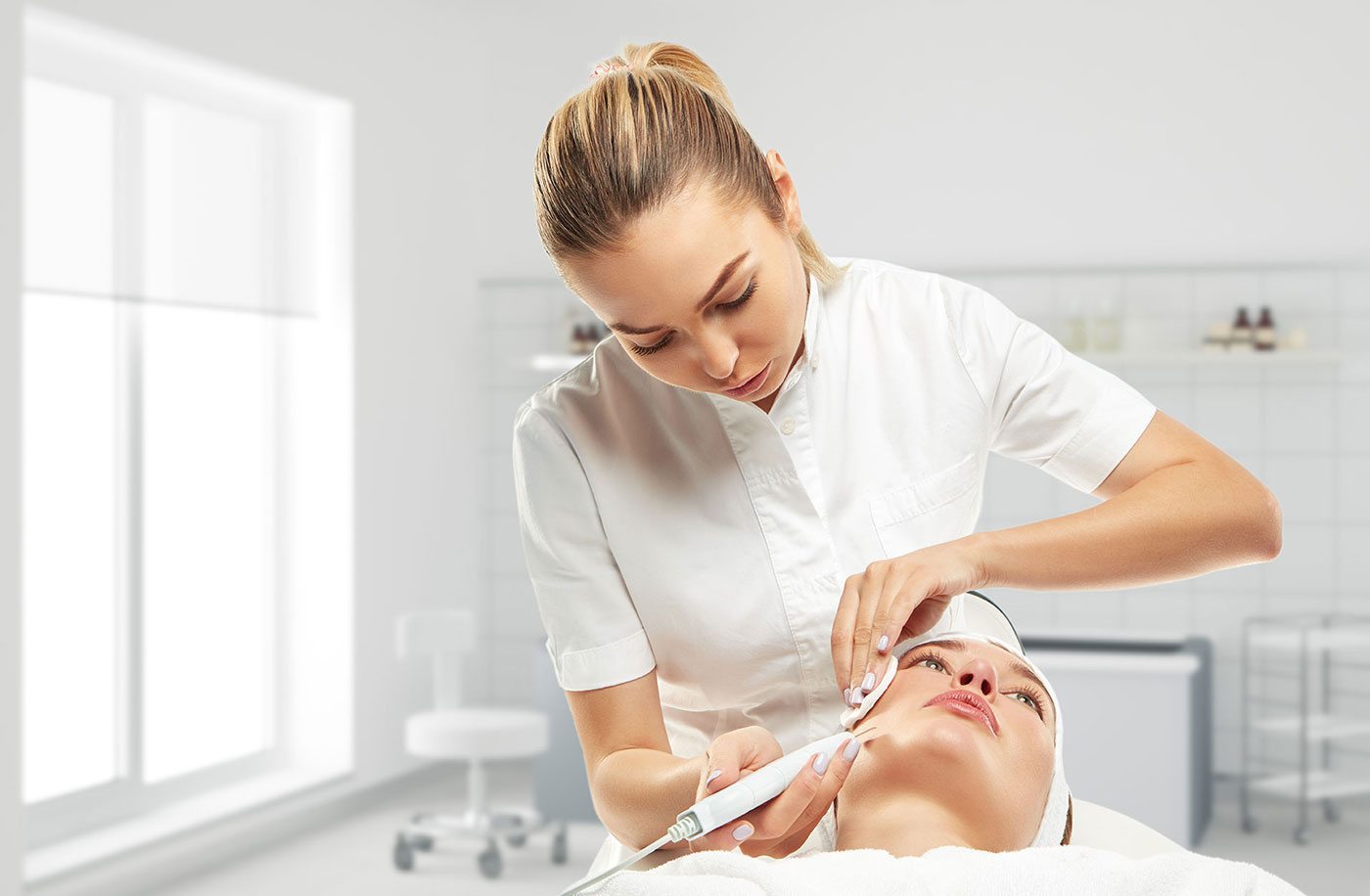
Their day-to-day work includes performing customized facials, skin resurfacing, body wraps, hair removal treatments, massage therapy, lash and brow enhancements, and specialized nail care. Beyond executing physical procedures, beauty therapists conduct detailed consultations to analyze skin conditions, identify underlying lifestyle factors affecting dermal health, and formulate home care routines to support long-term results.
2. The Core Qualifications and Scientific Knowledge Required
Becoming a successful beauty therapist requires far more than an interest in aesthetics. It demands rigorous vocational training, formal certification, and a deep understanding of human anatomy.
- Dermal Science and Anatomy: Practitioners must understand human skin structures, cell turnover cycles, muscle distribution, and blood circulation. This scientific foundation allows them to safely manipulate skin layers using active chemical formulas or specialized aesthetic devices.
- Hygiene and Safety Standards: Operating in direct physical contact with clients requires strict infection control protocols. A professional beauty therapist maintains impeccable sanitation practices, ensuring equipment sterilization, workspace disinfection, and safe chemical handling.
- Cosmetic Chemistry: Understanding how active ingredients react with different skin types is crucial. Therapists must master the interactions of retinoids, alpha hydroxy acids, antioxidants, and peptides to design safe and effective skin restoration plans.
3. Advanced Treatments Transforming the Profession
The introduction of high-tech aesthetic equipment has elevated the beauty therapy profession, shifting client expectations toward visible, long-lasting clinical results. Modern practitioners frequently utilize cutting-edge technologies to address complex skin concerns:
- Microdermabrasion and Chemical Peels: Non-invasive resurfacing methods that remove dead skin layers, promoting collagen production and improving texture, fine lines, and hyperpigmentation.
- Micro-Needling (Collagen Induction Therapy): Creating controlled micro-injuries in the skin to trigger natural healing responses, tightening the skin and smoothing acne scars.
- Light and Laser Therapies: Utilizing LED light or targeted laser energies to address active acne, vascular lesions, sun damage, and unwanted body hair with extreme precision.
4. Essential Soft Skills: The Human Element of Care
While technical skill creates visual results, interpersonal skills turn one-time visitors into lifelong clients. A great beauty therapist builds a bridge between technical competence and genuine emotional support.
- Active Listening and Empathy: Clients often arrive feeling self-conscious about physical insecurities such as acne, scarring, or aging. A therapist must listen attentively without judgment, setting realistic expectations while offering supportive solutions.
- Customization and Adaptability: No two skins are identical. A skilled therapist tailors every treatment to match the client’s current skin barrier health, stress levels, and specific goals rather than applying a rigid, one-size-fits-all routine.
- Clear Communication: Explaining treatment steps, potential sensations, and proper post-care protocols prevents client anxiety and guarantees optimal healing outcomes.
5. Navigating Career Paths and Business Opportunities
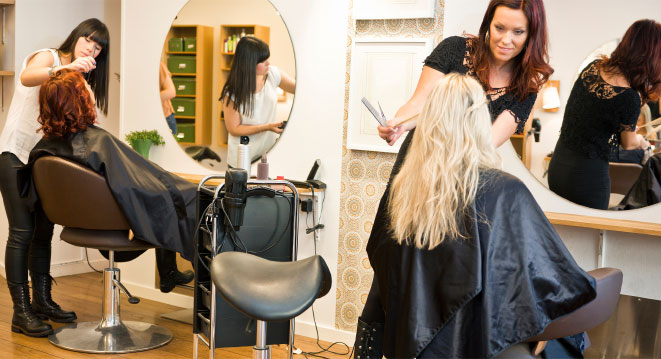
The career trajectory of a beauty therapist offers diverse professional avenues. Trained specialists are no longer limited to standard day spas or traditional salons; they can shape their careers according to their personal passions and business goals.
- Medical Spas and Clinical Environments: Working alongside dermatologists or plastic surgeons, providing pre- and post-operative skin care, clinical peels, and advanced laser treatments.
- Entrepreneurship and Private Practice: Opening independent beauty studios, developing specialized skincare lines, or offering mobile treatment services to a private clientele.
- Corporate and Resort Wellness: Managing high-end luxury resort spas, cruise ship wellness facilities, or acting as brand ambassadors and educators for global cosmetic companies.
6. The Future Outlook of the Beauty Therapy Industry
As global interest in preventative healthcare and anti-aging continues to climb, the demand for qualified beauty therapists will continue to expand rapidly. The future of this career lies in the integration of holistic wellness with advanced aesthetic science.
Future therapists will increasingly incorporate non-invasive diagnostic tools, AI-driven skin analysis, and personalized nutritional advice to treat skin issues at the cellular level. Continuous professional development, staying informed on safety regulations, and adopting modern technologies will ensure long-term success in this dynamic, evolving landscape.
Conclusion
A beauty therapist is much more than an aesthetic provider; they are trusted partners in health, confidence, and self-care. By combining clinical knowledge, artistic precision, and empathetic client interaction, beauty therapists empower individuals to feel comfortable and confident in their own skin. As the field expands, the profession continues to offer rewarding career paths for those dedicated to mastering the delicate balance of science, art, and client care.