Global Beauties: Understanding the World of International Pageantry
For decades, international beauty pageants have captivated millions of viewers around the globe. What began as simple local beauty contests has evolved into a massive, multi-billion-dollar global phenomenon. For a newcomer stepping into this world for the first time, international pageantry can feel incredibly overwhelming. The terminology, the scoring systems, the intense fan culture. And the sheer number of different pageants can be confusing to follow.
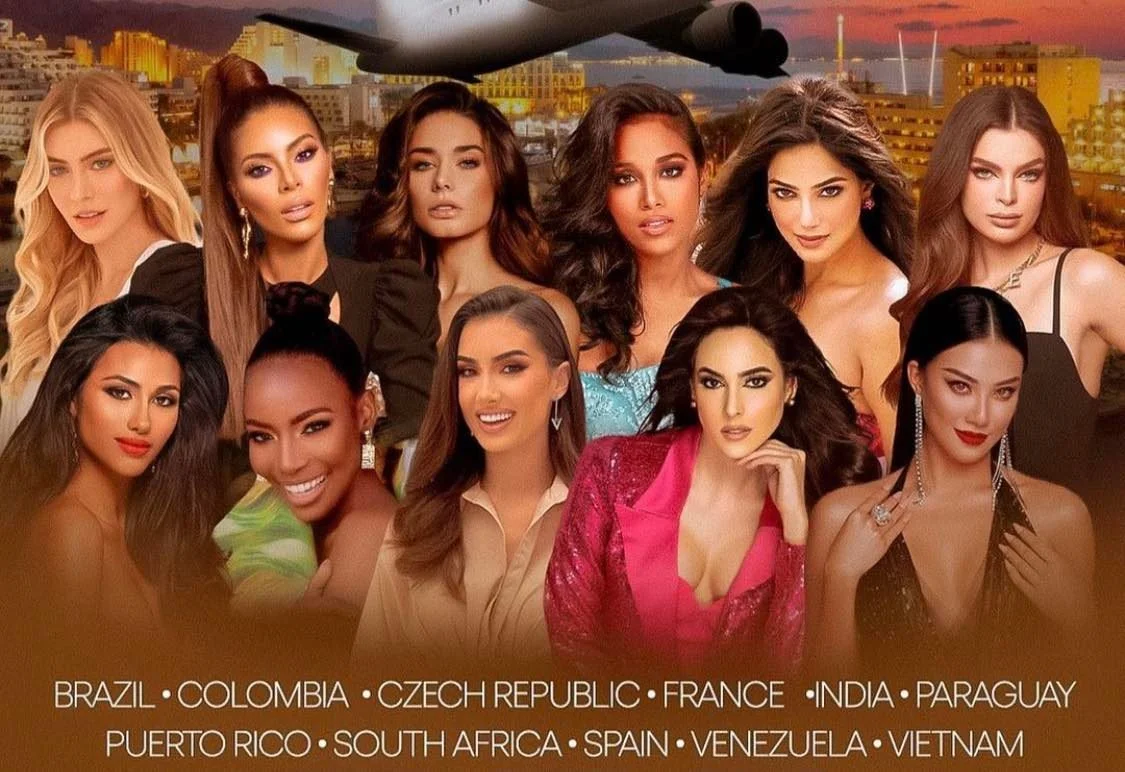
If you have ever found yourself stumbling across an international pageant broadcast and wanting to understand how it all works, you have come to the right place. This comprehensive beginner’s guide will break down the foundational elements of global beauty pageants. Explain the most prestigious competitions, and offer key insights into how contestants are judged.
The “Big Four” International Pageants
To navigate the world of global pageantry, you must first understand that not all pageants are the same. While thousands of minor competitions exist worldwide. The pageantry community universally recognizes four major international contests, commonly referred to as the “Big Four.” Each of these pageants has its own distinct branding, mission, and style.
Miss Universe
Miss Universe is arguably the most famous and highly publicized pageant in the world. Known for its glamorous high-fashion aesthetics and intense production value, this competition looks for a confident, articulate modern woman who can act as a global ambassador. The swimsuit and evening gown segments are iconic, but the high-pressure final interview portion is what ultimately determines the winner.
Miss World
As the oldest surviving international beauty pageant, Miss World takes a slightly different approach. Its core philosophy is centered around a concept called “Beauty with a Purpose.” In this competition, contestants are heavily evaluated on their humanitarian work, charitable projects, and academic achievements. It features unique fast-track events, including sports, talent, and top model challenges.
Miss International
Based primarily in Japan, Miss International focuses deeply on cultural exchange, global diplomacy, and traditional elegance. The pageant aims to find an ambassador of peace and goodwill. Unlike the high-energy, modern vibe of Miss Universe, Miss International values grace, poise, tenderness, and a deep understanding of international relations.
Miss Earth
The newest addition to the Big Four, Miss Earth is an environmentally themed international pageant. The competition actively promotes environmental awareness, conservation, and ecological responsibility. The contestants, often referred to as “eco-angels,” must be knowledgeable about environmental issues and present actionable projects aimed at protecting the planet.
Decoding the Pageant System: How Competitions Work
An international beauty pageant is not just a single-night television broadcast; it is a grueling multi-week endurance test for the contestants. Understanding the timeline and structure of the competition helps beginners appreciate the hard work behind the crown.
The Preliminary Competition
Days before the glamorous final night that is broadcast on television, contestants participate in the preliminary competition. This is where the actual judging takes place. Behind closed doors, contestants sit down for private, one-on-one interviews with the selection committee. They also showcase their presentation skills on stage in swimsuit and evening gown rounds. The scores from these preliminaries determine the top finalists who will be announced on the final night.
The Evolution of the Swimsuit and Evening Gown Segments
While critics often focus heavily on the physical aspects of these segments, modern pageantry views them through a different lens. The swimsuit competition is designed to evaluate physical fitness, self-confidence, and stage presence. The evening gown segment, on the other hand, evaluates elegance, poise, and how well a contestant carries herself under pressure.
The Power of the Final Question
In the modern era of global pageantry, beauty alone will not win the crown. The final question-and-answer segment is where titles are won or lost. Finalists are given a complex global issue, political question, or philosophical prompt and are required to formulate an articulate, impactful response in under 30 or 60 seconds. This tests their public speaking skills, mental sharpness, and emotional intelligence under immense stress.
Key Terms for Pageant Beginners
As you read articles or participate in online pageant forums, you will frequently encounter specialized terminology used by global pageantry enthusiasts. Here are a few essential terms to know:
- Sash Factor: This refers to the historical success and political influence of a specific country in pageantry. Countries like Venezuela, the Philippines, the USA, and India have a high sash factor, meaning their contestants often face higher expectations and receive massive attention due to their country’s past victories.
- Front Runner: A contestant who consistently performs exceptionally well during the arrivals, press conferences, and preliminary events, making them a favorite to win the crown.
- Dark Horse: A contestant who may not receive much media attention initially but delivers a flawless performance during the preliminary or final night, surprising everyone by placing high in the competition.
Conclusion
The world of global beauties is far more complex than beautiful dresses and sparkling crowns. At its core, modern international pageantry provides a powerful global platform for women to amplify their voices, advocate for meaningful social causes, and foster international diplomacy. By understanding the unique identities of the major pageants, the rigorous judging process, and the dedication required by the contestants, beginners can look past the superficial stereotypes and fully appreciate the strategy, talent, and cultural significance of international pageantry.